
Optimal Seasons for Land Clearing
Land clearing is a critical step in preparing land for development, agriculture, or construction. The timing of land clearing can significantly impact project efficiency and cost. Understanding seasonal patterns and environmental conditions helps determine the most suitable periods for land clearing activities.
Spring offers favorable weather conditions with moderate temperatures and less rainfall, making it suitable for land clearing before the peak growing season.
Summer may pose challenges due to higher temperatures and increased rainfall, which can delay work and increase equipment wear.
Fall provides cooler weather and dry conditions, ideal for completing land clearing before winter.
Winter is generally less suitable due to soil saturation, frozen ground, and shorter daylight hours, which can hinder progress.
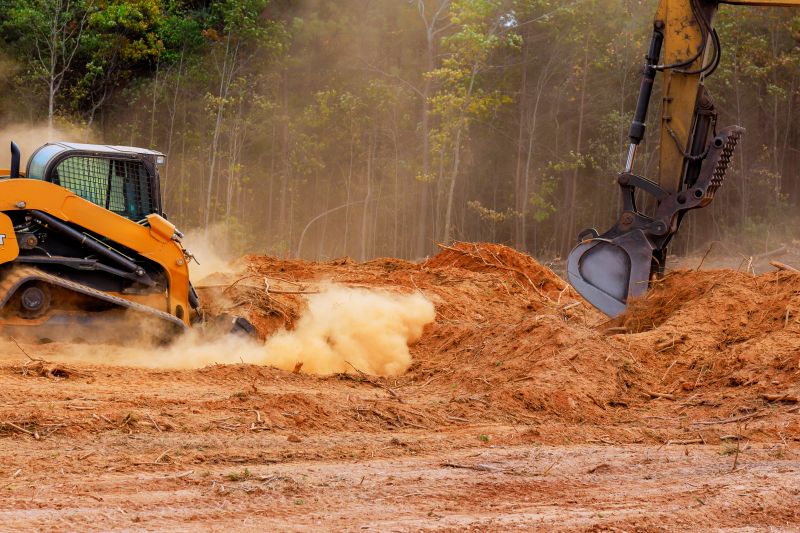
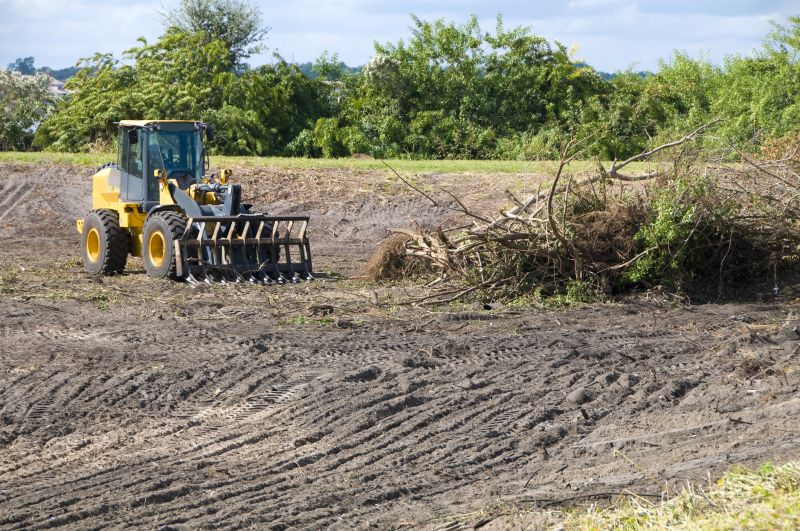
Heavy machinery clearing land during optimal weather conditions ensures efficiency.
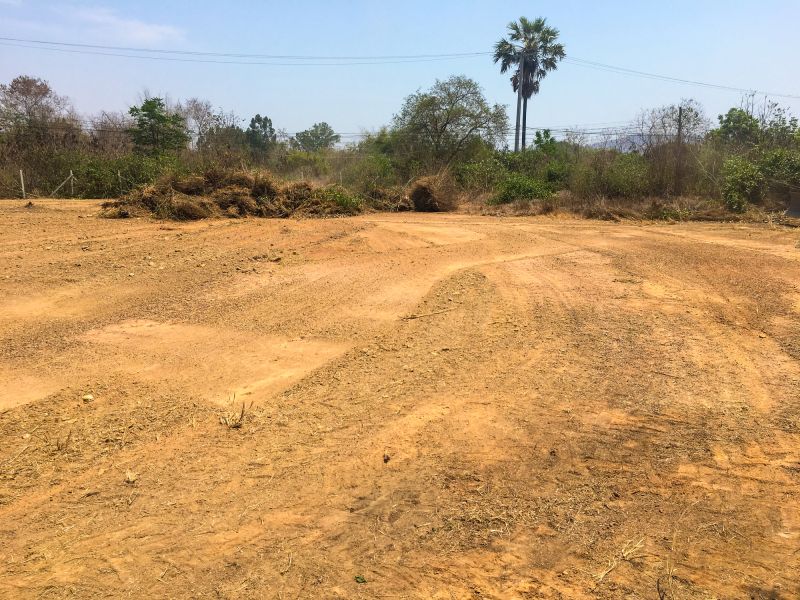
Planning around seasonal weather patterns helps minimize delays and costs.
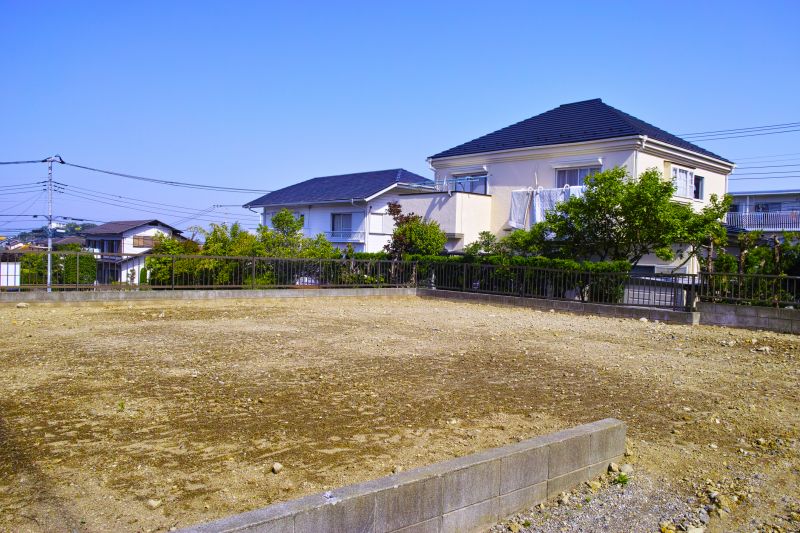
Proper timing results in a clean, prepared site for construction or planting.

Ways to make Land Clearings work in tight or awkward layouts.
Popular materials for Land Clearings and why they hold up over time.
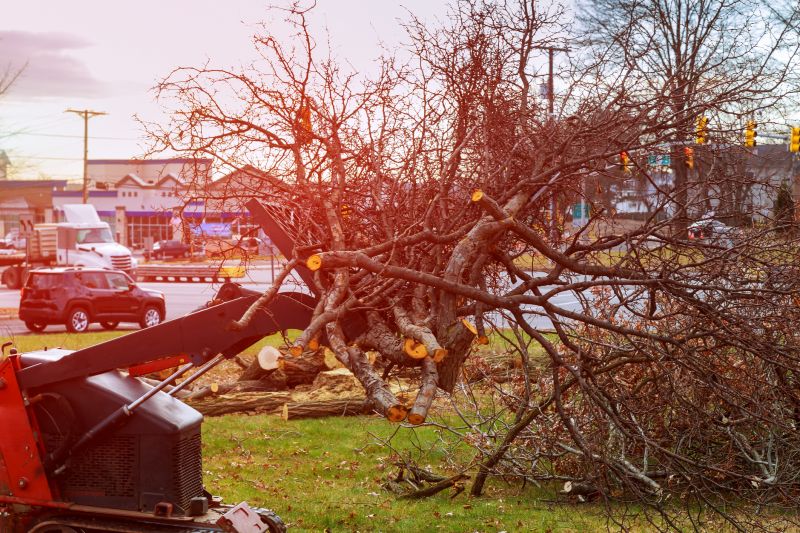
Simple add-ons that improve Land Clearings without blowing the budget.

High-end options that actually feel worth it for Land Clearings.
Finishes and colors that play nicely with Land Clearings.
| Season | Recommended Activities |
|---|---|
| Spring | Begin clearing before heavy rainfall, optimal for machinery operation. |
| Summer | Monitor weather for dry periods; avoid during peak heat. |
| Fall | Ideal for completing clearing before winter, dry conditions. |
| Winter | Generally discouraged due to soil conditions and cold weather. |
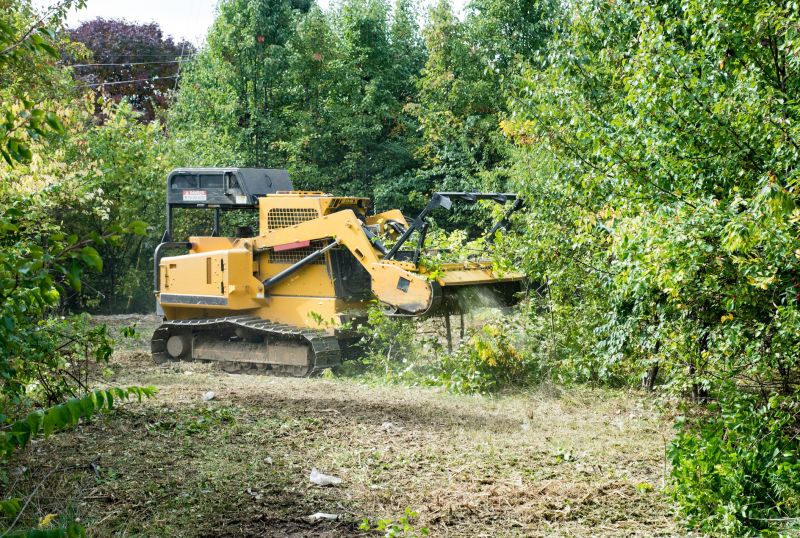
Heavy equipment used for efficient vegetation removal.
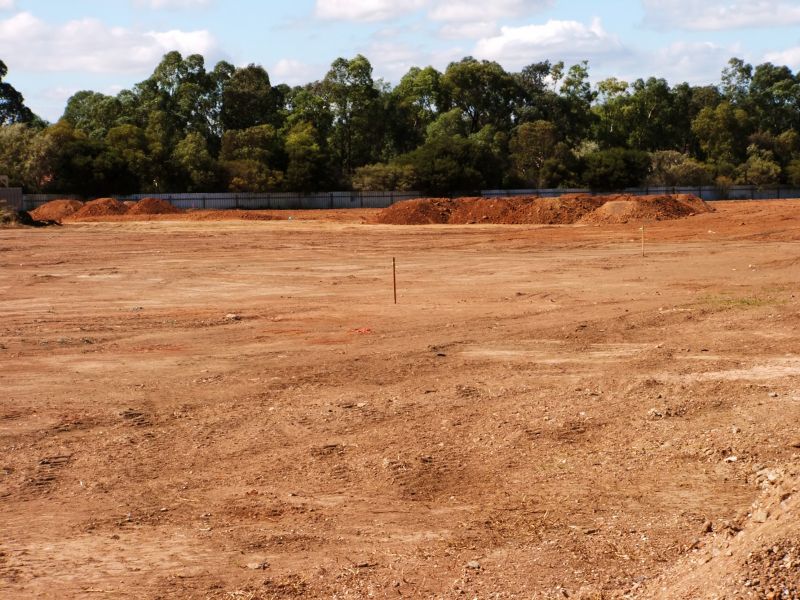
A cleared site ready for development or planting.
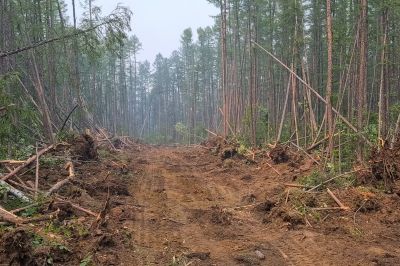
Planning based on seasonal weather patterns.
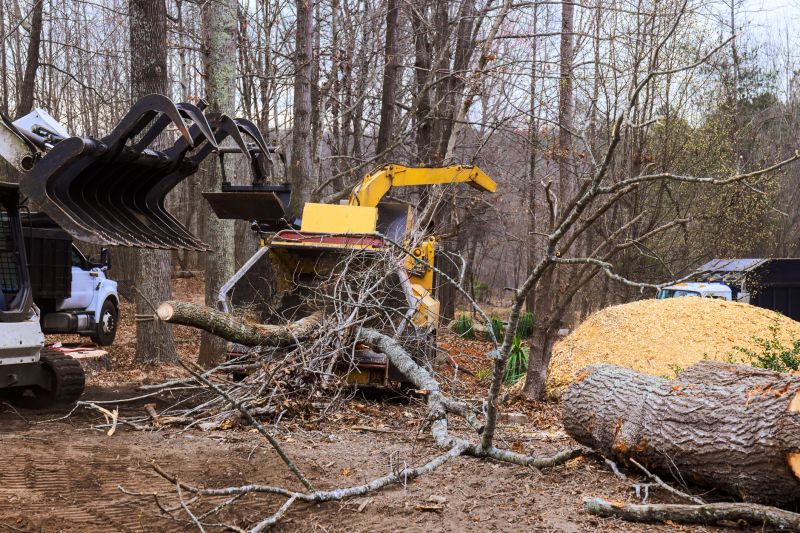
Step-by-step clearing process with machinery.

Little measurements that prevent headaches on Land Clearings day.
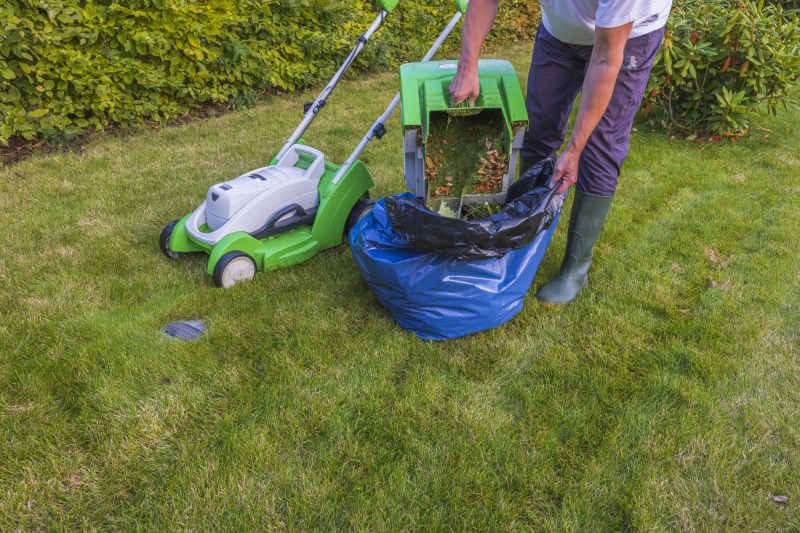
A 60-second routine that keeps Land Clearings looking new.
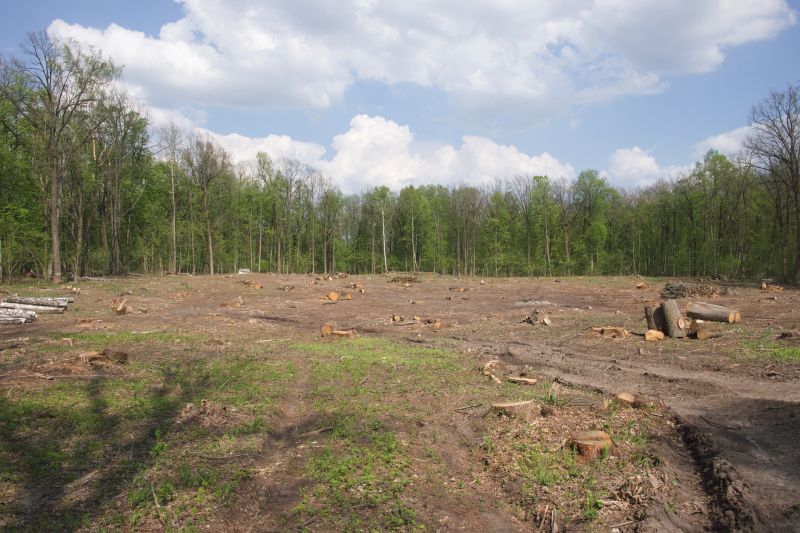
A frequent mistake in Land Clearings and how to dodge it.
Small tweaks to make Land Clearings safer and easier to use.
Climate, soil conditions, and project deadlines all impact the best time for land clearing.
Efficient work, reduced costs, and minimized environmental disturbance.
Avoiding wet seasons prevents soil erosion and equipment damage.
Assessing weather forecasts and soil moisture levels helps optimize timing.